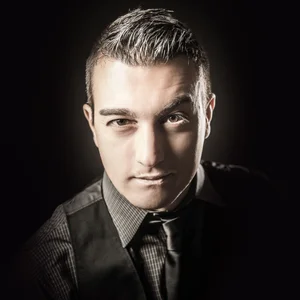
Professional Headshots: When You Need One and How to Get the Best Results
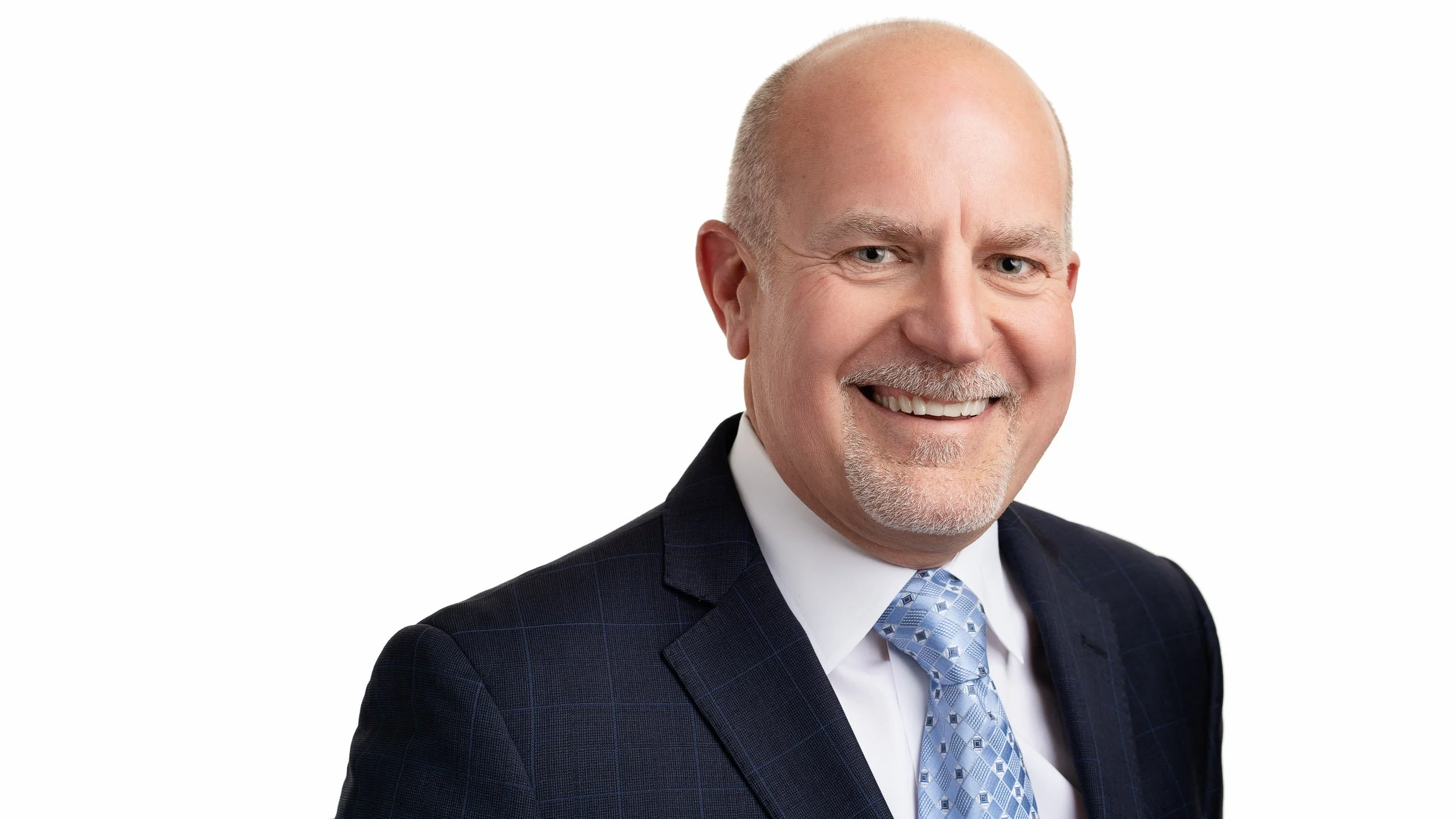
Most people don't start looking for a professional headshot because they suddenly decide they want one. Usually something changes first.
Maybe you've been laid off and are updating your resume and LinkedIn profile for the first time in years. Maybe you're launching a business and someone asks for your bio and a headshot for your new website. Maybe you're speaking at an event, joining a professional organization, or you've simply realized the photo you've been using online doesn't really look like you anymore.
So you find a photographer, schedule a session, and walk away with a professional image.
For some people, that's exactly what they need. But over the years, I've noticed that many professionals upload their new headshot everywhere without ever stopping to ask a simple question:
Is this image doing the job I need it to do?
Why Professional Headshots Matter
Whether you're applying for a job, building a business, speaking at an event, or growing your professional network, people are likely going to look you up before they ever meet you.
They're visiting your LinkedIn profile, browsing your website, reading your company bio, checking your Google Business Profile, or searching your name online. In many cases, your photograph becomes part of their first impression long before a conversation ever takes place.
But there's another reason professional headshots matter today that wasn't nearly as important ten or fifteen years ago.
Trust has become harder to earn.
We're surrounded by robocalls, phishing emails, scam text messages, fake social media accounts, AI-generated content, deepfakes, and fake job postings designed to collect personal information. Many people have become skeptical of what they see online, and honestly, it's hard to blame them.
Think about the last time you applied for a job, received an unexpected email, or visited a company website you'd never seen before. Whether you realized it or not, part of your brain was probably asking the same question:
"Is this real?"
A professional headshot won't answer that question by itself, but it helps. It puts a face to a name and reminds people they're interacting with an actual human being rather than a faceless profile or anonymous business.
While AI-generated headshots have improved dramatically over the last few years, most still feel slightly off. Maybe it's the eyes. Maybe it's the skin texture. Maybe it's something harder to define. Whatever it is, most people can sense when something doesn't feel quite authentic, even if they can't immediately explain why.
That's one of the reasons professional photography continues to matter. Not because it's perfect, but because it helps establish credibility and reminds people there's a real person behind the profile, website, business, or application they're looking at.
What Makes a Great Professional Headshot?
One of the biggest misconceptions about headshots is that they're primarily about photography.
They're not.
Most people looking at your headshot aren't evaluating the lighting, lens choice, or background. They're evaluating you. They're deciding whether you seem approachable, competent, and someone they'd feel comfortable working with.
That's why expression, posture, wardrobe, and authenticity often matter more than technical details. The strongest headshots feel natural. They don't feel forced, overly posed, or disconnected from the person they represent.
The goal isn't to create a version of yourself that doesn't exist. It's to create a photograph that feels like you on your best day. When someone sees your headshot online and later meets you in person, those two experiences should feel consistent.
Where Professional Headshots Are Used Today
Many people book a headshot session for one specific reason and quickly discover they need the image in far more places than they originally expected.
A photograph that starts on LinkedIn often finds its way onto a company website, an email signature, a conference speaker profile, a Google Business Profile, a podcast guest page, or a professional organization directory. Business owners frequently use the same image across marketing materials, social media profiles, networking groups, and local publications.
For many professionals, their headshot becomes one of the most viewed photographs associated with their name, which is why it deserves more thought than simply cropping yourself out of an old group photo or using a snapshot from several years ago.
Common Headshot Mistakes
The most common mistake I see isn't related to posing, wardrobe, or lighting.
It's using a photograph that no longer represents who you are.
We've all experienced the moment when we meet someone in person and realize their online photo was taken a decade ago. The image may have been great when it was created, but it no longer matches reality.
Another common mistake is relying on photographs that were never intended to serve a professional purpose. Vacation photos, wedding photos, and casual snapshots can be wonderful personal memories, but they don't always create the impression you're hoping for in a professional setting.
Then there's the temptation to over-edit. A little retouching can be helpful. Excessive retouching often creates the opposite effect. The strongest professional headshots strike a balance between polished and authentic.
How Often Should You Update Your Headshot?
There isn't a perfect timeline, but most professionals should consider updating their headshot every few years.
You may want to update it sooner if you've changed careers, launched a business, started speaking publicly, significantly changed your appearance, or simply feel like your current image no longer reflects who you are today.
A professional headshot should feel current because people change.
When a Headshot Is Enough
For many professionals, a great headshot is exactly what's needed.
If you're updating LinkedIn, refreshing a company bio, applying for jobs, speaking at an event, or joining a professional organization, a strong headshot may solve the problem perfectly.
Its purpose is simple: help people recognize you, feel comfortable reaching out, and move forward with confidence.
When a Headshot Isn't Enough
This is where many of the conversations I have with business owners begin to shift.
A headshot tells people who you are, but it doesn't always tell them what you do. It doesn't show how you work with clients, what makes your business different, or what someone can expect when they choose to work with you.
If you're applying for jobs, speaking at events, or updating a professional profile, a headshot may be exactly what you need.
But if you're a business owner, consultant, coach, realtor, attorney, medical professional, or entrepreneur, potential clients are often looking for more than a face. They're trying to understand how you work, what makes you different, and whether you're someone they can trust to help solve their problem.
That's why many professionals eventually discover they need more than a single image.
They need photographs that help tell a more complete story across their website, social media, marketing materials, newsletters, speaking engagements, and the many places potential clients are researching them before making a decision.
At that point, the conversation often moves beyond headshots and into personal branding photography.
If you've ever wondered whether a professional headshot is enough or whether you might benefit from a broader collection of images, I recently wrote an article that explores the differences between the two approaches.
Still not sure whether a professional headshot is enough?
Read: Professional Headshots vs Personal Branding: Which Do You Actually Need?
Ready to Update Your Professional Image?
Your headshot is often one of the first things people see before they decide to contact you, hire you, refer you, or work with you. It should feel professional, current, and authentic to who you are today.
If you're ready to update your professional image, I'd love to help create portraits you'll be proud to use everywhere your name appears.